Siguatepeque, Honduras: The Coffee Region Nobody Talks About
Honduras Has More Than One Great Coffee Region
Most people who know Honduran coffee know two names: Copán and Marcala. Both deserve their reputation. Copán’s highland farms produce some of the most complex arabica in Central America. Marcala was the first Honduran coffee to receive a denomination of origin.
But Honduras has six officially recognized coffee regions, and the conversation rarely gets past two of them.
Siguatepeque is one of the ones that gets overlooked. That’s a mistake.
Siguatepeque, Dead Center of Honduras
Siguatepeque sits in the Comayagua department, roughly at the geographic center of Honduras. The city itself sits at about 1,100 meters above sea level — already high by most standards — and the farms surrounding it climb considerably higher. Finca El Zapote, the farm we source from, is cultivated at 1,550 masl.
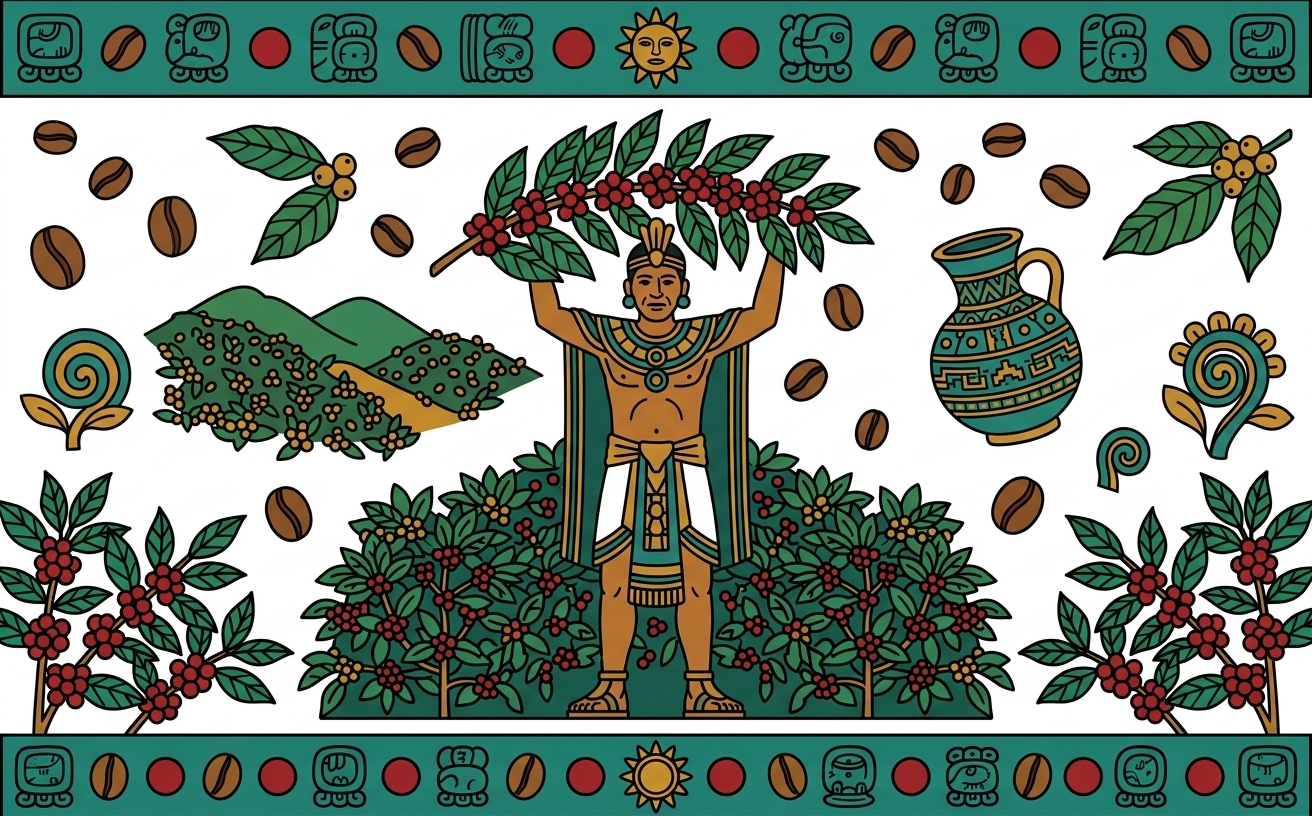
The region also sits within the broader cultural footprint of the ancient Maya civilization, whose influence extended across western Honduras long before coffee arrived. Hondurans call Siguatepeque “the city of eternal spring.” The climate stays mild and consistent year-round: cool nights, moderate days, low humidity. For coffee, this translates to a slow, even cherry development that builds flavor complexity without stressing the plant.
What 1,550 Meters Does to a Coffee Bean
Altitude is the single most important variable in coffee quality — more than variety, more than processing, more than anything else a producer can control.
At 1,550 meters, coffee cherries take weeks longer to ripen than they would at lower elevations. That extended development time allows the sugars inside the cherry to build slowly, which produces a denser bean with more pronounced flavor.
The result, in sensory terms: cleaner acidity, more layered sweetness, and a finish that lingers rather than cutting off flat. It’s the difference between a coffee that tastes like it has something to say and one that’s just hot and dark.
Copán’s farms sit between 1,300 and 1,700 masl. Siguatepeque’s best farms, including Finca El Zapote, sit right in the middle of that range — which is why the flavor profile is comparable in quality, even if the names don’t carry the same recognition yet. For a deep look at what makes Copán special, see our guide to Copán, Honduras coffee.
Sigua Coffee and Finca El Zapote
Sigua Coffee has been farming and roasting in Honduras since 2013. They operate on a direct-trade model with full traceability back to the farm — you can follow the coffee from the specific plot where it was grown to the bag it ships in.
Finca El Zapote is their flagship single-origin lot. The beans are hand-selected at harvest, which means only fully ripe cherries make it into the bag. Sigua processes the lot using a washed method, which strips the fruit away from the bean before drying. Washed processing emphasizes clarity: the cup reflects the terroir of the farm rather than the character of the fruit.
The farming practices are regenerative — focused on soil health, shade growing, and long-term land stewardship rather than maximizing short-term yield. That philosophy shows in the cup. Well-tended soil produces more complex coffee.
One Farm. One Producer. No Vague Claims.
We added Finca El Zapote to the Mayan Origin collection because it represents something we think matters: a single farm, a known producer, practices you can verify, and a cup that earns its place.
Honduras has no shortage of generic “Honduras coffee” sold under vague sourcing claims. Finca El Zapote is the opposite — specific address, specific producer, specific process. If you want to know exactly what you’re drinking and where it came from, this is it.
It also gives you a direct comparison point. If you’ve tried our Balam medium roast from Copán, Finca El Zapote lets you taste what a different Honduran region and a different producer brings to the same roast level. Same country. Different altitude, different farm, different hands. The cup tells you the difference.
Clean, Bright, Versatile — What the Cup Delivers
Sigua’s Finca El Zapote is a medium roast, washed arabica. Expect:
- Clean, bright acidity — citrus and green apple, not harsh
- Balanced body — substantial without being heavy
- Smooth finish — the washed process leaves no muddy or fermented aftertaste
- Subtle sweetness — honey and mild stone fruit in the background
It’s a versatile cup. It works as a pour over, where the clean profile really opens up, and it holds up well as a drip. If you’re brewing with a method that rewards clarity — Chemex, V60, Aeropress — this is a good choice.

AeroPress Original
Espresso-like concentrate or clean filter coffee — in 60 seconds.
Approximate price · Check current price on Amazon
The V60 is where this coffee’s clean, washed profile really shines. A slow spiral pour lets the citrus acidity and stone fruit sweetness separate into distinct layers you can actually taste.

Hario V60 Dripper 02
The pour over dripper used by more specialty cafes than any other.
Approximate price · Check current price on Amazon
Single-origin coffees at this altitude reward consistent grinding. Uneven particles mean some grounds over-extract while others under-extract, and the result is a muddled cup that hides exactly the clarity Finca El Zapote is known for.

Timemore Chestnut C2 Max
The hand grinder that made burr grinding affordable without sacrifice.
Approximate price · Check current price on Amazon
Precise measurement matters with single-farm coffees. A gram or two in either direction shifts the balance between acidity and body, and with a lot this clean, you want to find the ratio that works and repeat it.

Greater Goods Coffee Scale
The budget scale that coffee Reddit actually recommends.
Approximate price · Check current price on Amazon
Honduras Coffee Beyond the Headlines
The story of Honduran coffee is still being written. Ten years ago, Honduras wasn’t on most specialty coffee buyers’ radar at all. Today, Honduran lots regularly win at Cup of Excellence. Mythoz Coffee — another producer we carry — took home a national award at the Global Coffee Awards 2025.
Siguatepeque won’t be overlooked forever. The farms and the altitude are both there. Producers like Sigua are doing the work to document and promote what they grow. It’s only a matter of time before the name carries the same weight as Copán or Marcala.
You can get there first.
Shop Sigua Finca El Zapote — single origin, direct-trade, washed medium roast. Packed and shipped from Honduras.
Frequently Asked Questions
Is Siguatepeque a good coffee region? Yes. At over 1,500 meters above sea level, Siguatepeque produces high-altitude arabica with dense beans, clean acidity, and layered sweetness. It’s one of Honduras’s six recognized coffee regions and one of its most underrated.
What is Finca El Zapote? Finca El Zapote is a single-origin farm in Siguatepeque, operated by Sigua Coffee since 2013. The farm uses regenerative agriculture and direct-trade with full traceability back to the plot. Beans are hand-selected at harvest.
What does Siguatepeque coffee taste like? Washed arabica from Siguatepeque tends toward clean brightness, balanced body, and a smooth, lingering finish. Finca El Zapote specifically shows citrus acidity, mild stone fruit sweetness, and good clarity.
Where can I buy Siguatepeque coffee? Sigua Coffee’s Finca El Zapote is available at Mayan Origin — ground, medium roast, shipped direct from Honduras.
Mark Pendergrast’s Uncommon Grounds tells the full story of how coffee transformed Central American economies — including Honduras’s late rise to becoming the region’s largest producer.
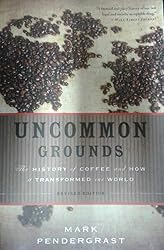
Uncommon Grounds: The History of Coffee
The full history of coffee — from Ethiopian legend to global commodity.
Approximate price · Check current price on Amazon
Explore the full range of Honduran origins. Shop all our coffees.